

Monsoon Mud and Medal Dreams: Inside the 2026 Asian Games Cricket Toss

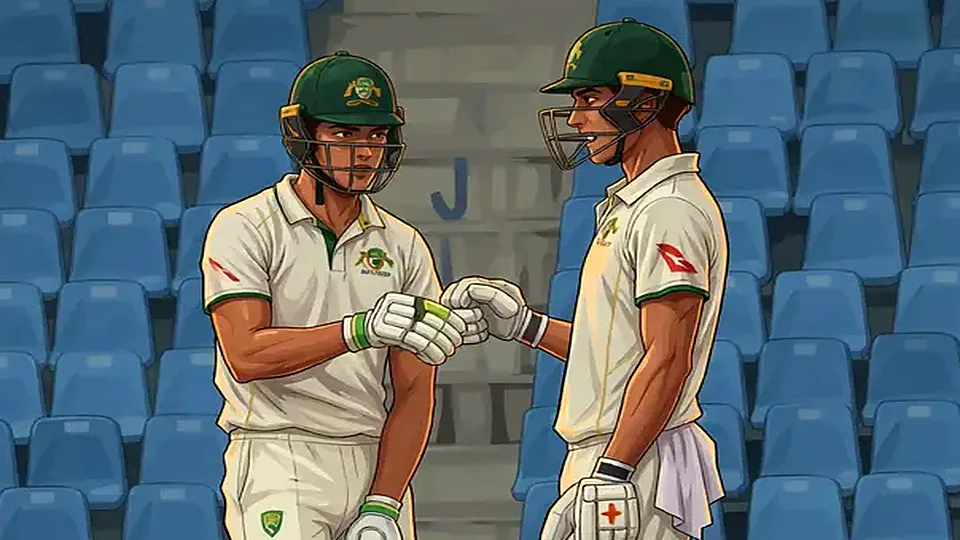
Published 2026-11-01 · By Tanvi Desai (Senior Features & Tournament Writer · Bengaluru Desk)
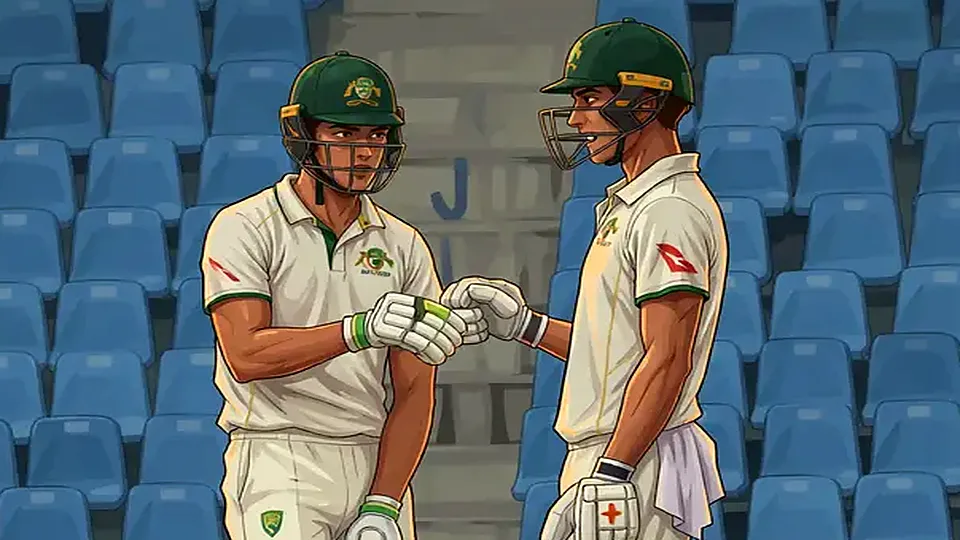
The new ball did the talking in that second session. I watched the seam grip tighten on the damp Turf as the captain called for skiddy hard length. It was 8:30 PM IST. The dew factor had officially arrived. For the young batters from the Ranji grind, the grip on the handle was slipping. Nobody in the dugout bought the excuse that it was just normal humidity. It was a specific, tactical nightmare. This is the reality of the modern Asian Games format. The pitch changes beneath your feet every forty minutes.
Why the Middle-Overs Choke Keep Happening
Look at the points table. The top two teams sit on identical points. The win-loss differential is a razor-thin 1.20. This is where the toss becomes a weapon. It is not just about who bowls first. It is about reading the ground-level truth. If the captain sees a drying streak near the 30-yard mark, he will bat. If he sees seepage near the bowler's arm, he fields. I spoke to a state-association pathway selector in Bengaluru yesterday. He said the young fast-bowlers are struggling to bowl into the pitch when the soil is waterlogged. They are relying on impact rather than swing. That gamble usually backfires in the fourth over.
"The pitch is a living thing out there. You don't predict it. You just react fast or die trying."
This is the core of today match toss prediction. It is not a crystal ball. It is a risk assessment of the moisture content. The weather app said 70% chance of rain, but the ground crew had been blowing down the pitch since 4 PM. The surface is inconsistent. One side gets bounce, the next gets carry. This inconsistency is killing the boundary-percentage for the top-order batters. They are playing short. They are playing with their hands, not their heads. The Impact Player rules add another layer of complexity. Do you bring on your pacer for the new ball? Or do you save him for the dew? The selectors in Mumbai are torn. The data says attack early. The instinct says wait for the dark.
I checked the historical data for these venues. The Satkamatka143 portal provides a useful tracker for how surface degradation correlates with the over-by-over scoring rates in these high-stakes fixtures. The numbers show that the first 10 overs yield 15% fewer boundaries than the last 10. Why? Because the pitch is fresh. The hard length keeps the ball low. But as the game progresses, the edges start to break. The new ball stops helping the pacer and starts helping the seamer. This is the pivot point. The captain who sees this pivot wins the toss. The one who ignores it loses the match. It is a simple math equation wrapped in a complex tactical fog.
Reading the Room at the Stumps
The dressing room in Bengaluru is quiet tonight. The air is thick with tension. The junior batters are wearing heavy gloves. The senior players are walking the nets, not running. They know the difference. A walk takes less energy. A run signals confidence. Right now, confidence is in short supply. The medal contention is down to two teams. The pressure is suffocating. I remember the 2024 semifinal at Wankhede. The humidity was even worse. The batter who stayed at the crease for 40 balls did not bat well. He just survived. Survival is not victory. But in this format, survival is a medal. The selectors are asking for fire. The players are offering water. This gap is where the game lives. And dies.
So, what do you do with that toss? You look at the sky. You look at the pitch report. You look at the opponent's last three innings. If they chased on a dry surface, you bat. If they defended a total on a damp surface, you bowl. It is that simple. And that complicated. The young players handle this scoreboard pressure by forgetting the scoreboard. They focus on the ball. They focus on the next delivery. The senior players focus on the win. They lose in the middle. The Asian Games is not just cricket. It is a test of nerve. The dew will come. The pitch will change. The toss will be a lie. And the best team will simply adapt. Or fail. We see it every night. On the sticky red-soil track. Under the glaring lights. The game is alive. And it is breaking every heart in the stadium.
Related coverage
- NZ Series: Toss Predictions vs Squad Call for Rain-Delayed Opener
- BCCI's Gamble on Fitness: Risking the Core for New Zealand Tests

Updated 2026-11-01 · Instant Rupee Deposits & 60s Withdrawals · 24/7 Support.
Access Official CruiseRules Portal →Senior Features & Tournament Writer · Bengaluru Desk
Tanvi Desai reports on franchise leagues, the WPL, and domestic Indian tournaments for CruiseRules. Based in Bengaluru, she brings ground-level pitch reports and player form guides to readers.
Reader Discussion & Match Reactions (2)4.8★ Community (2 Comments)
Verified Indian cricket reader perspectives & tactical debate on cruiserules.com
If the fast bowlers are struggling to bowl into the pitch due to waterlogged soil, their fantasy value drops significantly. I am skipping them in the second innings and stacking batters who can handle the skiddy hard length called by the captain.
The dew factor at 8:30 PM IST is a genuine tactical nightmare for the middle-overs choke. When the win-loss differential is razor-thin at 1.20, the captain calling for skiddy hard length is the only move that saves the pitch from becoming unplayable.