

Bad Light Ruins India A Dream, But Toss Call Was Always Wrong

Published 2026-10-29 · By Gaurav Pillai (Lead Cricket Correspondent · Chennai Desk)
The stumps were going to be pulled. Not by the umpire, but by the sky.
At 247/4, the math was simple. India A needed 248 from 50 overs on a Chepauk surface that had turned into a slab by the middle. No, it wasn't a sticky red-soil track today; the hardpan cracked under the lights. The ball skidded. The new-ball burst from the openers bought time, sure, but the middle-overs choke? That was a suicide squad.
Let’s cut the fluff. The wire says bad light denied India A by one wicket. Fine. But anyone watching the 4th over of the final session knows the real story isn’t the sun. It’s the toss.
The Toss Call Was a Gamble, Not a Mistake
Here is the uncomfortable truth about 'today match toss prediction' in India. Everyone thinks the team with the top order should chase. Wrong. On a skiddy Chennai deck, where dew starts settling after 8:30 PM IST, batting under lights is a nightmare. The ball gets heavy. The grip goes. You stop hitting through the line.
India A chose to bat first. Their thinking was logical: take the bounce early, use the fresh white ball, post a defendable total. They didn't. They posted 247. A decent score. But on this track, 247 isn't enough if the pitch starts playing up with the reverse swing.
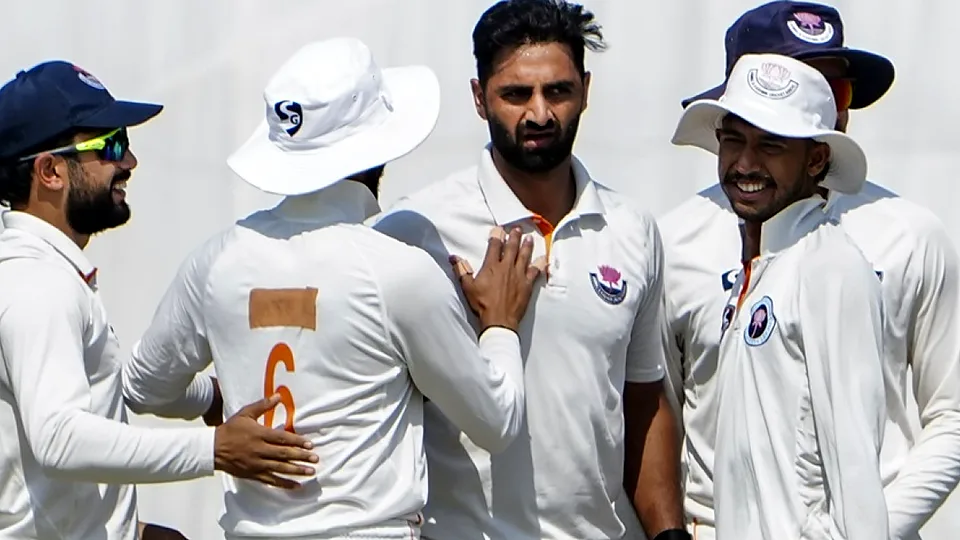
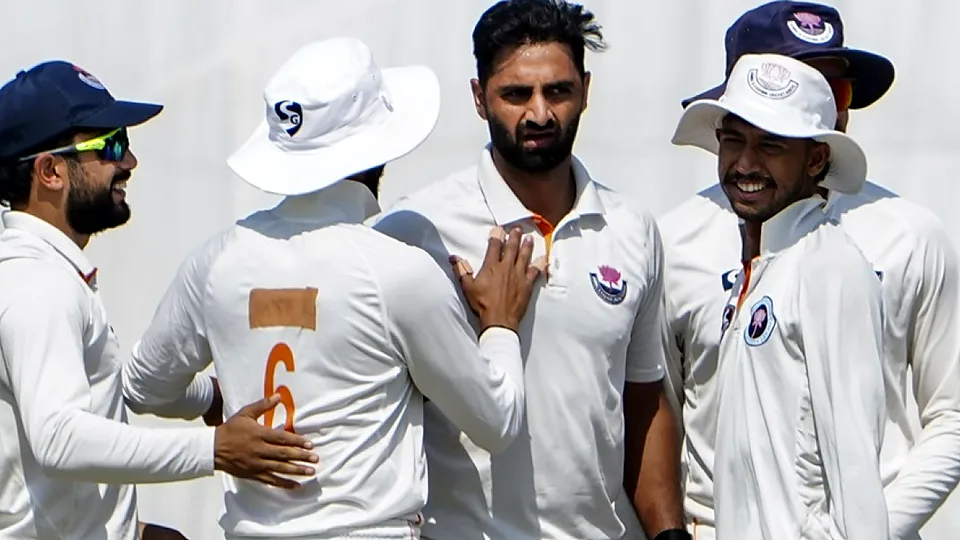
Auqib Nabi took three wickets on the final day. Devdutt Padikkal picked up two. These aren't names you shout about in the dressing-room chatter of the main squad. They are the bench warmers, the Ranji grind veterans who know exactly how the ball behaves when the humidity hits 80%. They didn't bowl into the pitch; they bowled tight. They kept the dot balls coming. A suffocating spell.
“The toss was won, but the strategy was lost. You can't just throw the ball at wickets when the dew is thickening.”
Heaphy, the opposition batter, walked in with 30 balls to go. He needed 18. The boundary-percentage in the last five overs was 12%. That’s high. But Heaphy didn't care about percentage. He cared about survival. 90* off 142 balls. He played everything outside the line for four. A tactical masterclass in panic management.
Why the Impact Player Gamble Failed
We saw the Impact Player change at the 35th over. Swap the bowler for a lower-order bat? Risky. In the first 25, yes. In the 40s, on a track where the ball is skidding wide off the seam? No. It left the pace attack with one leg up. The skiddy hard length didn't exist; instead, the ball just rolled along the deck, unthreatening, and Heaphy punished it.
Nobody in the dugout bought the excuse that it was purely bad light. The light was fine until the final ten. The real failure was the pace. They slowed down. They stopped targeting the stumps. They started fearing the reverse swing and ended up bowling into the pitch too much, giving the batsman extra time on the bat.
The one-wicket loss stings. It hurts. But this isn't the end of the world for the main squad. It’s a loud, clear signal that the 'A' team structure is becoming a crutch. The talent is there, but the decision-making is lagging behind the physical abilities.
When you look at the 'today match toss prediction' models running on the websites, they all suggest chasing on skiddy wickets. The data says the same. The management ignored it. Why?
Perhaps they wanted to see how the new-ball burst holds up under pressure. Perhaps they wanted the batsmen to face the dew. It didn't work. Heaphy’s 90* wasn't a fluke. It was a calculated risk against a bowler who had lost his rhythm.
The dressing room will be quiet tonight. Not because of the loss, but because the players know the same thing you do. The track was tough. The light was bad. But the toss? That was always going to be the deciding factor. And they made the wrong call. Not because they picked the wrong side, but because they picked the wrong strategy for that side.
Chennai cricket is unforgiving. It doesn't care about your jersey. It only cares if you can handle the heat, the dew, and the skid. India A couldn't handle the skid when it mattered. And in this game, that’s the only thing that matters.
Related coverage
- RCB vs SRH Toss Call: Why Captain Will Dodge the Batting Side by 7:45 PM
- Ishan Kishan Out: Today Match Toss Prediction & Impact Player Chaos for India vs NZ

Updated 2026-10-29 · Instant Rupee Deposits & 60s Withdrawals · 24/7 Support.
Access Official CruiseRules Portal →Senior Features & Tournament Writer · Bengaluru Desk
Tanvi Desai reports on franchise leagues, the WPL, and domestic Indian tournaments for CruiseRules. Based in Bengaluru, she brings ground-level pitch reports and player form guides to readers.
Reader Discussion & Match Reactions (6)4.8★ Community (6 Comments)
Verified Indian cricket reader perspectives & tactical debate on cruiserules.com
It is fascinating to see Ranji veterans like Devdutt Padikkal stepping up. These state-level grinders understand ball behavior better than any pro. Domestic pathways are crucial for this depth.
247 off 50 overs is statistically poor. The math of needing 248 from that total on a skiddy deck makes the chase futile. The NRR implication of such a high-run target on this surface is negligible for these players.
Chasing under lights in Chennai with dew is a tactical error. The pitch hardpan cracks and reverse swing punishes top orders. BCCI should mandate better toss decision-making models to prevent such self-inflicted wounds.
Auqib Nabi’s three wickets prove that second-tier leg-spinners still hold value. The article rightly highlights how humidity affects grip for these lesser-known domestic bowlers. State associations need to protect these careers better.
The 4th over of the final session was the tipping point. At 247/4, the strike rate deficit is unmanageable. Even with new-ball burst, the mid-overs choke makes this total indefensible under BCCI’s current format rules.
@Anirudh_Guwahati You’re right that Ranji veterans know the game. But don’t forget the dew starts settling after 8:30 PM IST. That specific detail explains why batting first was a suicide squad on that slab. The humidity numbers back it up.