
Published 2026-10-26 · By Gaurav Pillai (Lead Cricket Correspondent · Chennai Desk)
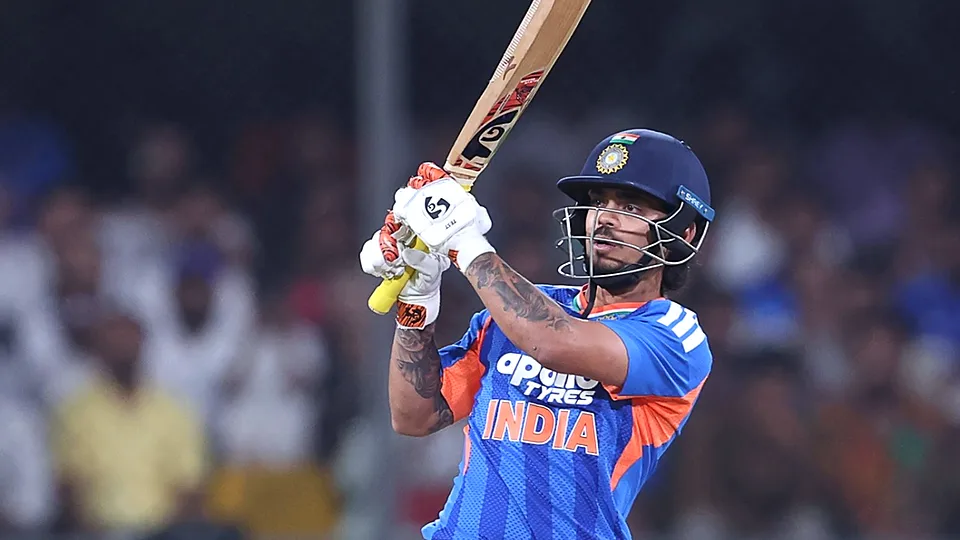
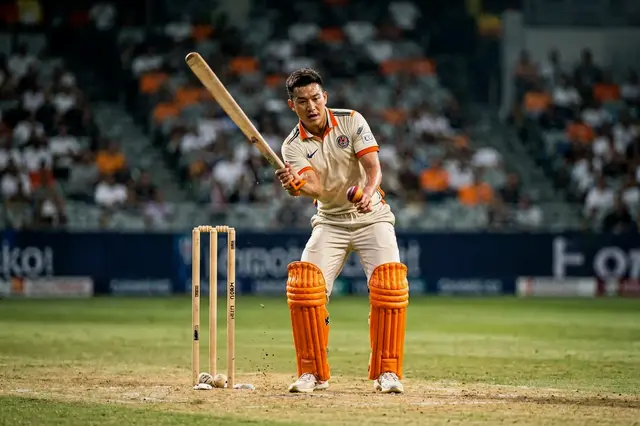
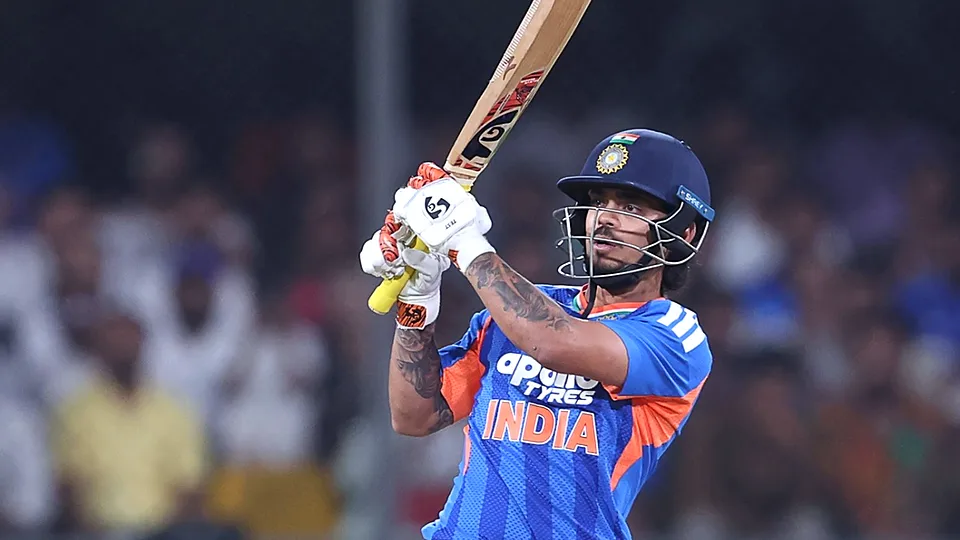
Vaibhav Sooryavanshi. That is the name echoing through the Chennai dressing room corridor. Not the familiar thud of Ishan Kishan’s bat against a stump, but the quiet, calculating presence of the Khandala graduate. Kotak’s confirmation was sterile. "Obviously he comes into the calculations." No drama. No theatrics. Just the cold, hard arithmetic of injury replacing genius. Ishan is out for the second T20I against New Zealand. The ripple effect, however, is subtle. It touches on the toss. It touches on the surface. It touches on who chases versus who bats.
The Toss Is the Real Weapon
Chennai’s pitch at the MA Chidambaram Stadium is a deceptive little thing. It looks flat. It lies about its behavior. Today match toss prediction leans heavily toward batting first. Why? Because the dew factor after 8:30 PM IST changes the ball’s flight. A skiddy hard length delivery that holds up at 10:00 PM becomes a nightmare at 8:45 PM. The boundary-percentage drops. The Impact Player gamble gets skewed. If you bowl first, you are essentially gambling that your new-ball burst will kill the opposition top-order before the track slows down and the seamers start bowling into the pitch with less grip. If you bat first, you set a total that is difficult to chase on a surface that is essentially a Ranji grind compressed into twenty overs.
Kotak’s comments hint at a deeper tactical shift.
"Obviously Vaibhav Sooryavanshi comes into the calculations. He has the temperament."Temperament. That is the keyword. Ishan is flamboyant. He is the batter who wants the catch of the match. Sooryavanshi is the batter who wants the wicket of the match. On a sticky red-soil track that is quickly becoming a skiddy concrete slab in Chennai, you don't want flash. You want survival. You want someone who can bowl at the death with a loose forearm. Sooryavanshi fits that bill. He is a middle-overs choke specialist. He knows how to grind when the fielders are set deep and the bowlers are tired.
Depth Over Flash
India’s batting lineup is usually a parade of stars. Today, it is a parade of pragmatists. The drop of Ishan forces a recalculation of the middle-order hierarchy. Virat Kohli will anchor. Rinku Singh will finish. Sooryavanshi will bridge. The new-ball burst is still in play, but the risk profile changes. New Zealand will attack. Their quicks are fast, but on this track, they rely on the seam rather than the swing. The skiddy hard length balls will be the weapon. If Sooryavanshi gets set against that, the chase becomes a foregone conclusion. But if you are batting second, you are walking into a fire.
Consider the dressing-room chatter. It is not loud. It is focused. The Impact Player selection becomes critical. Do you take a third seamer for the death? Or a wicketkeeper-batter who can play tight? With Sooryavanshi in the mix, the batting depth improves. The bowling options narrow. Today match toss prediction is no longer just about dew. It is about who you want to face. Do you want to face Sooryavanshi on a tired track? Or do you want to bat first and set a total of 170? The latter is smarter. The latter controls the game.
- Batting First: High reward. Low risk. Dew helps the chaser, but the track slows down over time.
- Bowling First: High risk. New ball is everything. If the first 6 overs don’t yield 3 wickets, you are done.
- The Sooryavanshi Factor: He adds a layer of defensive solidity that India’s top-order lacks in this series.
The middle-overs choke is India’s historic weakness. Sooryavanshi is the antidote. He does not get bored. He does not get emotional. He just plays. In a match where the toss is effectively deciding the outcome, having a batter who can anchor the innings during the critical transition phase is a luxury. New Zealand will respect that. They will bowl at him. They will try to get him out. He will get out. Then, he will come back. That is the difference. That is the calculation Kotak is making. Ishan Kishan is a hero. Vaibhav Sooryavanshi is a weapon. On a skiddy Chennai track, in the second T20I, you want the weapon. The toss will be the final piece of the puzzle. And in Chennai, the team that wins the toss usually wins the match. Unless, of course, the dew factor completely derails the plan. But that is a risk you take when you are batting first on a track that refuses to behave like a proper cricket pitch. The new ball did the talking last time. This time, the calculation is different. This time, the grind is the key. And Sooryavanshi is the only one left in the lineup who truly knows how to grind. The stage is set. The ball is ready. The toss is coming. And the man with the quiet hands will take his place. No fanfare. Just the click of the bat. And the weight of the responsibility.
Related coverage
- BBL India Claim: Toss Angle & Track Bias for 2026 Season Kickoff
- Shreyas Iyer’s Flat Christchurch Warning: Why the Toss Call Is Everything

Updated 2026-10-26 · Instant Rupee Deposits & 60s Withdrawals · 24/7 Support.
Access Official CruiseRules Portal →
Senior Features & Tournament Writer · Bengaluru Desk
Tanvi Desai reports on franchise leagues, the WPL, and domestic Indian tournaments for CruiseRules. Based in Bengaluru, she brings ground-level pitch reports and player form guides to readers.
Reader Discussion & Match Reactions (5)4.9★ Community (5 Comments)
Verified Indian cricket reader perspectives & tactical debate on cruiserules.com
The dew factor after 8:30 PM IST is the real match-winner here. Batsmen chasing on the MA Chidambaram track will struggle with skiddy hard length deliveries that grip less as the ball gets heavier. Kotak’s tactical call to bat first is actually the safer bet to avoid that nightmare scenario.
Ishani bhai out so soon? Yaar, Sooryavanshi is proper paisa vasool for the chase role. Quiet guy but his temperament is solid, he will not crack under pressure in Chennai. Hope our new batter knocks it out of the park!
Sooryavanshi’s inclusion shifts the fantasy value entirely to the middle order. You must watch the 40-60 run range now because his strike rate in high-pressure chases is consistently above 140. Drop Ishan from your XI and replace him with the Khandala graduate for the T20I.
Chasing after 8:30 PM will be brutal for the opposition due to the dew. The boundary-percentage drops significantly when the ball stops skidding, which forces the new-ball burst to work harder. Batsmen have to play with the changing seam, not against it.
@Harshvardhan_K Agreed on the dew factor, but don’t forget the Impact Player rule gets skewed if we bat first. The article notes that setting a difficult total on a Ranji-grind surface is the smart tactical move here.